The Psychology of Casino Design
Casinos are meticulously crafted environments that significantly impact player behavior. The layout and aesthetics are not left to chance; they are intentionally designed to create an immersive atmosphere that entices players to engage. For instance, the absence of clocks and windows fosters a timeless experience, which encourages players to lose track of time and explore options like betting apps canada for additional entertainment. This design strategy exploits the psychological effect of temporal disorientation, allowing players to become engrossed in gaming without realizing how long they have been playing, ultimately leading to extended gambling sessions.
Moreover, the vibrant colors, captivating sounds, and dazzling lights within a casino work synergistically to elevate excitement and create a euphoric ambiance. Brightly illuminated slot machines, complemented by the enticing sounds of coins clinking, aim to produce an exhilarating experience that draws players in and encourages them to continue playing. The casino environment is often manipulated to resemble a festive occasion, amplifying emotions and making it more likely that players will remain engaged in gambling activities. This manipulation of the environment illustrates how design elements can profoundly affect player choices and overall gambling experiences.
Additionally, casinos utilize psychological tactics such as near misses and the illusion of control to motivate continued play. Experiences of near wins—like almost hitting a jackpot—can trigger a sense of encouragement, prompting players to try again under the belief that success is imminent. This leads to a potentially addictive cycle where individuals continue to gamble, convinced that their perceived influence over outcomes will eventually yield a victory. The design and environment of casinos, therefore, play a pivotal role in shaping player behaviors and their gambling experiences.
The Role of Promotions and Incentives
Promotions and incentives serve as powerful mechanisms that casinos leverage to influence player behavior. These incentives can take many forms, from complimentary drinks and meals to exclusive loyalty programs and attractive bonuses for regular players. Such strategies are crafted to instill a sense of loyalty and obligation among players, motivating them to return and gamble more frequently. For example, a casino may offer a complimentary luxury hotel stay to high-stakes players, making them feel valued while simultaneously encouraging increased gambling activity.
Furthermore, promotions can create a sense of urgency, pushing players to act quickly to avoid missing out on limited-time offers or exclusive events. This urgency can cloud rational decision-making, resulting in impulsive gambling behaviors. Consequently, promotional strategies effectively drive player behavior by eliciting emotional responses that encourage players to invest more in gaming activities. By appealing to players’ emotions, casinos can enhance engagement and spending.

To maximize the effectiveness of their promotional strategies, casinos often conduct extensive research into player preferences. By analyzing player data, they can tailor their incentives to cater to various demographics, optimizing engagement and satisfaction. This personalized approach not only creates a more enjoyable experience for players but also strengthens the bond between the player and the casino, ultimately leading to increased patronage and spending over time.
The Impact of Social Influence
Social dynamics play a crucial role in influencing player behavior within casinos. The presence of other players can significantly shape individual decision-making, often leading individuals to engage in riskier behaviors. For example, witnessing fellow players winning can create a social proof effect, encouraging others to increase their bets in hopes of achieving similar success. This phenomenon showcases how peer behavior can profoundly affect gambling patterns and choices, often prompting players to act in ways they might not consider when gambling alone.
Additionally, casinos often design communal spaces that facilitate social interactions among players, fostering a sense of camaraderie and competition. Games like poker inherently encourage social engagement, where players may feel compelled to match or exceed the stakes set by others at the table. This social pressure can drive individuals to gamble more as they strive to maintain their status and reputation among peers. As a result, the influence of social dynamics becomes a significant motivator for continued gambling and increased financial investment.
Moreover, marketing strategies that highlight social experiences, such as tournaments or group events, enhance the allure of gambling. These tactics not only attract more participants but also perpetuate a culture of gambling as a communal activity. Thus, the impact of social influences in casinos is profound, shaping player behaviors and encouraging involvement in ways that may not be experienced in isolation.
The Psychological Effects of Winning and Losing
The emotional highs associated with winning and the lows of losing are integral components of the gambling experience that can heavily sway player behavior. Winning can trigger strong emotional reactions such as exhilaration and joy, reinforcing the desire to continue playing. Casinos often capitalize on this phenomenon by showcasing significant wins and designing their environments to amplify the emotional peaks associated with winning. This reinforcement can create a compelling cycle where positive experiences lead to persistent play, as individuals chase the euphoric feelings synonymous with victory.
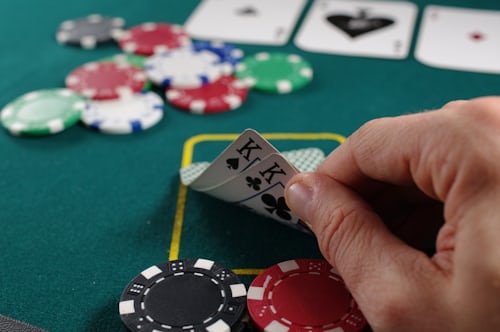
Conversely, the experience of losing can also have a profound psychological impact. While some players may be deterred by losses, others might respond by increasing their bets, convinced that a win is just around the corner following a losing streak. This mindset, often referred to as the “gambler’s fallacy,” leads players to irrationally believe that they can influence future outcomes based on past experiences. Casinos are aware of this psychological tendency and may even encourage it through various incentives, further entrenching players in their gambling habits and making it difficult to walk away.
Ultimately, the balance between winning and losing is crucial in shaping how players perceive their gambling experiences. Casinos are acutely aware of this dynamic and often design games and experiences to maximize emotional engagement, encouraging repeated visits. The psychological effects linked to both winning and losing serve as powerful motivators in player behavior, directly influencing whether individuals choose to continue participating in gambling activities.
Understanding Player Behavior Through Data Analysis
In recent years, the analysis of player behavior has evolved, allowing casinos to tailor their offerings to specific demographics and preferences effectively. With advanced data analytics and player tracking systems, casinos can glean insights into how players interact with games, their spending habits, and peak activity times. This data-driven approach not only enhances the overall gaming experience but also equips casinos with crucial information to influence player behavior more effectively.
By employing sophisticated algorithms, casinos can identify patterns in player activity and develop personalized marketing strategies. For example, if a player consistently enjoys a particular type of game, the casino can offer targeted promotions related to that game, encouraging further engagement. This nuanced understanding of player behavior transforms the overall experience into something personalized and enticing, fostering higher engagement levels and increased spending.
Additionally, casinos can analyze the efficacy of various promotions and incentives in real-time, allowing them to measure player responses to different bonuses or events. This capability enables casinos to iterate and refine their strategies to maximize their impact continually. By remaining highly responsive to player needs and preferences, casinos can effectively influence behavior in a manner that benefits both the establishment and the player, creating a win-win situation for all involved.